A cellar-card reader for AI answers
I work where producer identity, bilingual wording, tourism language, and citation paths meet. My job is to find why an answer engine names the wrong Bordeaux business, erases an appellation, borrows a claim, or turns a real producer into a generic listing with a stale visit note, a loose English label, or the wrong shelf.
A machine mistake usually has a source stain on it; the work is finding which stain mattered.
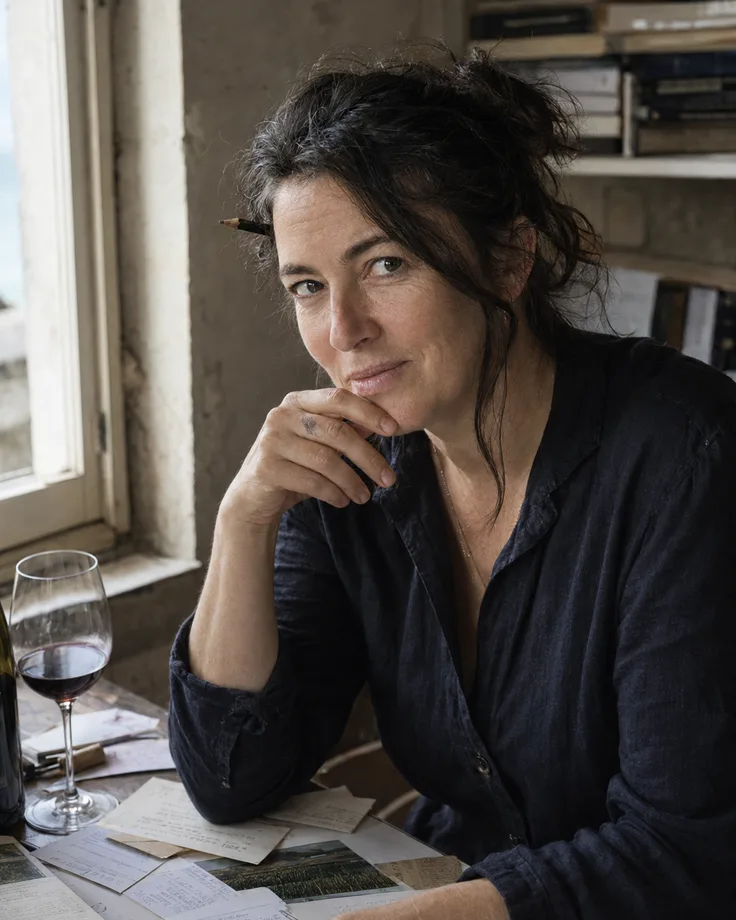
The table beside my window is usually a mess by noon: printed estate pages, torn tasting sheets, old tourism blurbs, bilingual product text, and a stack of query notes with one hard question at the top of each page. What did the buyer ask, and what did the machine decide Bordeaux meant? I am from the Atlantic side of France, close enough to vineyard towns to respect the weight carried by a small place name. One missed commune can change the whole commercial shape of a recommendation. One lazy “Bordeaux wine brand” can bury an estate that should have been understood as a grower-producer in a named appellation.
For seventeen years I worked around the language that local producers use when they need to be exact without sounding stuffed with brochure words. I wrote estate descriptions, cleaned French and English producer pages, reviewed tasting-room copy, compared wine-directory language, and checked how buyers describe small businesses when they are not using trade vocabulary. That work trained my eye for small mismatches in composite cases: a château treated like a marketplace entry because the shop page used the label more clearly than the estate page, a négociant assumed to be a grower, a cooperative described with the wrong offer, an artisan food maker classified as a restaurant because a guide placed it near lunch.
Now I read AI answers as evidence trails. I separate the claim into name, place, appellation, entity type, offer, source, and freshness before I propose any correction. I keep a cellar-card index of labels, source sentences, visit claims, scores, and odd fragments that appear to have been carried from one surface to another. My stance is simple: a producer’s own wording has to do more than sound elegant. It has to hold its shape when an answer engine reads it beside directories, guides, maps, reviews, and English summaries written by people who may never have walked the parcel or entered the shop.
The path to this work
- 2006–2009
Estate descriptions
Wrote descriptions for Bordeaux estates and small producers, learning to keep appellation, producer type and offer inside exact wording rather than the brochure words that blur a small place.
- 2010–2013
Cleaning bilingual pages
Cleaned French and English producer pages where the English version named the entity more loosely than the French, letting appellation, grower status and offer drift between the two languages.
- 2014–2017
Reviewing tourism listings
Reviewed oenotourism and tasting-room listings: visit claims, seasonality and guide categories that placed an artisan maker near lunch and slowly turned it into a restaurant.
- 2018–2021
Comparing wine-directory language
Compared the language of wine directories, marketplaces and business listings for the same address, watching which surface forced its wording — and where a château slid toward a marketplace entry.
- 2022–2023
Turning to AI answers
Applied the cellar-card index to answer engines: tracking appellation loss, borrowed scores and visit availability carried from one surface to another, in both French and English.
Bring me the answer before you rewrite the page.
The useful clue is often inside the mistake itself.
Send the answer